
Before and After/Home Improvement Tips
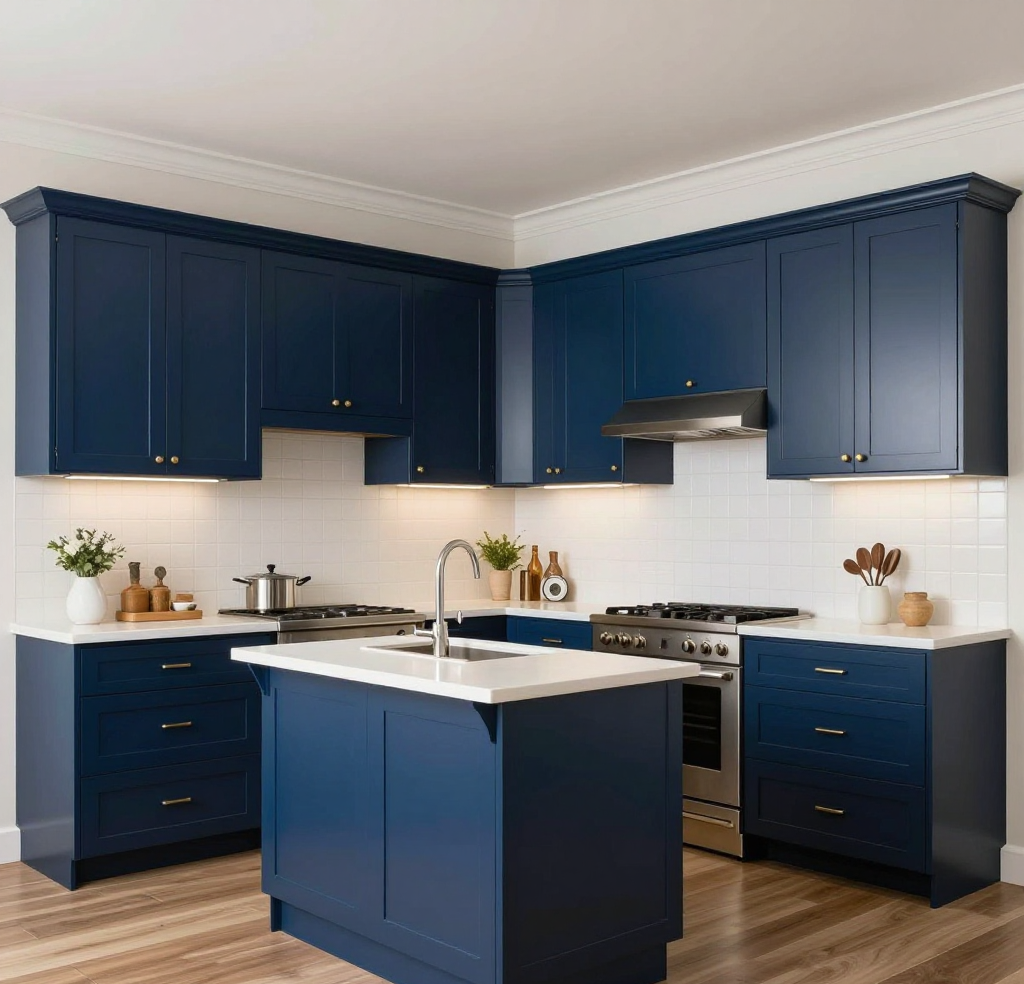
Smart homeowners know that not all upgrades are created equal. The best return on investment (ROI) projects are those that enhance both function and curb appeal while appealing to a wide range of buyers. Kitchen improvements consistently rank at the top. You don’t need a full remodel—minor upgrades like refacing cabinets, updating hardware, installing energy-efficient appliances, and adding modern lighting can dramatically refresh the space without a massive price tag. Bathroom updates are another strong contender. Replacing outdated fixtures, improving lighting, regrouting tile, or installing a new vanity can make a bathroom feel clean and current, which buyers value highly. Curb appeal also delivers excellent ROI. Simple changes like fresh exterior paint, landscaping, a new front door, or updated house numbers create a strong first impression and can increase perceived value instantly. Energy efficiency upgrades are increasingly important. Adding insulation, sealing air leaks, or installing energy-efficient windows and HVAC systems not only reduce utility bills but also attract eco-conscious buyers. Finally, don’t overlook maintenance. A new roof, updated electrical system, or modern plumbing may not be glamorous, but they provide peace of mind—and that’s something every homeowner can feel good about investing in. So don't put off that home improvement another day, contact us today!
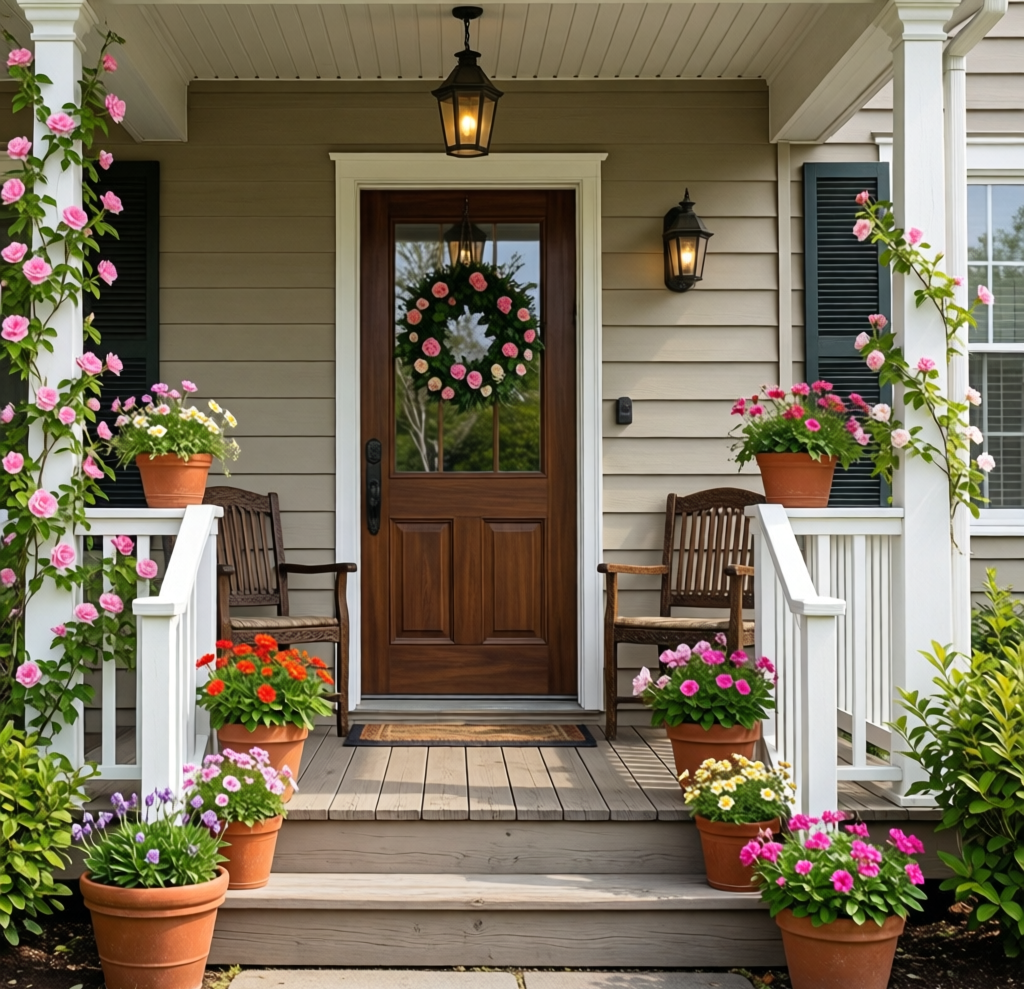
Spring is the perfect time to refresh your home’s exterior and boost curb appeal, starting with your porch and deck. After a long winter, a thorough cleaning makes a big difference—sweep away debris, power wash surfaces, and wipe down railings to instantly brighten the space. Next, add seasonal color. Potted plants, hanging baskets, and window boxes filled with vibrant flowers create a welcoming, lively look. Choose a mix of heights and textures for visual interest, and consider low-maintenance varieties if upkeep is a concern. Updating outdoor furniture can also transform your space. Swap out worn cushions for fresh, weather-resistant fabrics in light, cheerful tones. Even a simple outdoor rug can define the area and make it feel like an extension of your home. Don’t overlook small details. A freshly painted front door, updated house numbers, or a new welcome mat can subtly elevate your entryway. Outdoor lighting—like solar path lights or string lights—adds both charm and functionality. Finally, tidy up landscaping. Trim overgrown shrubs, edge walkways, and add a layer of mulch for a clean, polished finish. With just a few thoughtful updates, your porch and deck can become inviting, stylish spaces that set the tone for your entire home this spring. So don't wait; contact us today!
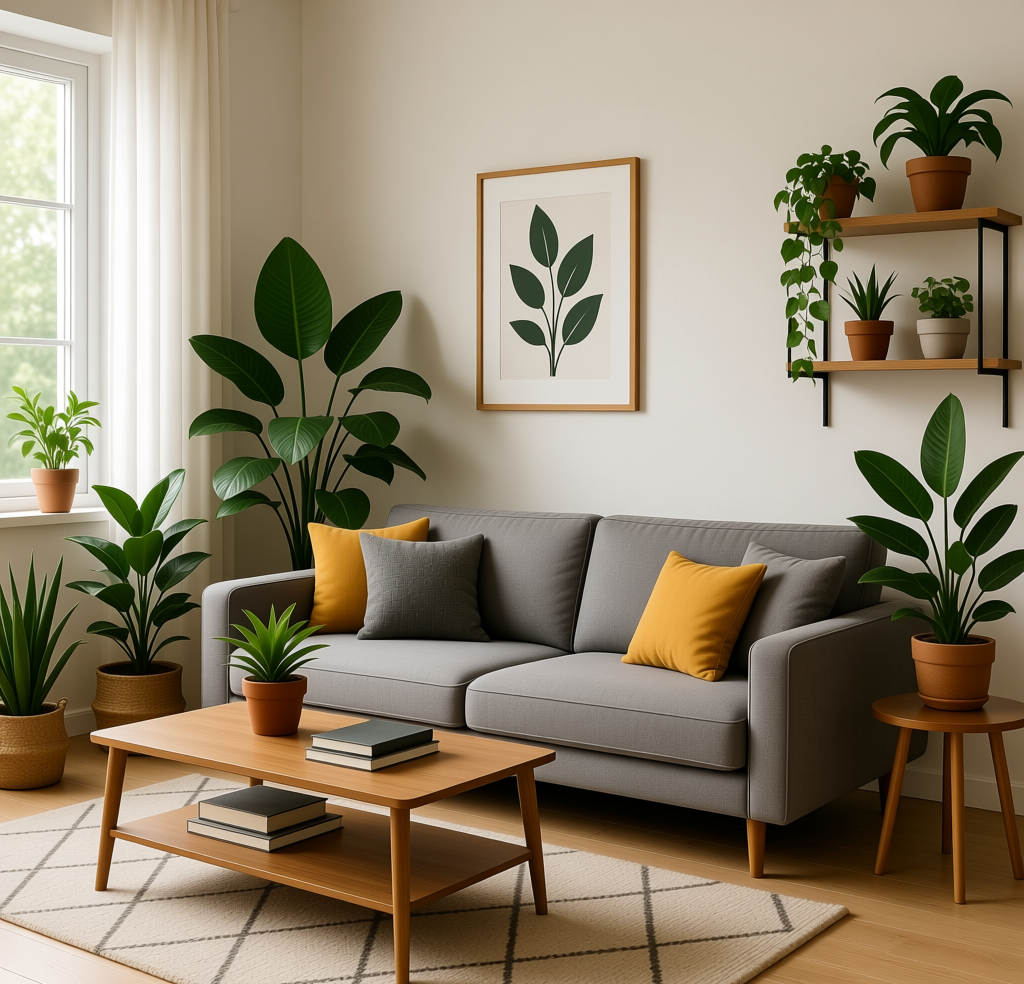
Maintaining your home is essential, even when you’re working with a tight budget. Small issues—like minor leaks, cracked caulking, or clogged gutters—can quickly turn into expensive repairs if left unaddressed. Staying proactive protects your investment, preserves your home’s value, and helps you avoid unexpected costs that can strain your finances. The good news is that maintenance doesn’t have to be overwhelming or expensive. Start by focusing on high-impact, low-cost tasks such as sealing drafts, cleaning HVAC filters, and inspecting roofing or siding for visible damage. Creating a seasonal checklist can help you stay organized and spread costs throughout the year rather than facing large, sudden expenses. When hiring professionals, you can still stay within budget by being strategic. Request multiple quotes, prioritize essential repairs, and ask contractors about phased work plans so projects can be completed over time. Many reputable professionals are willing to work within your budget and may suggest cost-effective alternatives without compromising quality. Ultimately, consistent maintenance is one of the smartest financial decisions a homeowner can make. By addressing issues early and working collaboratively with professionals, you can keep your home safe, efficient, and well-maintained—without overspending. We can help with any maintenance or improvement projects you've got planned, so contact us today!
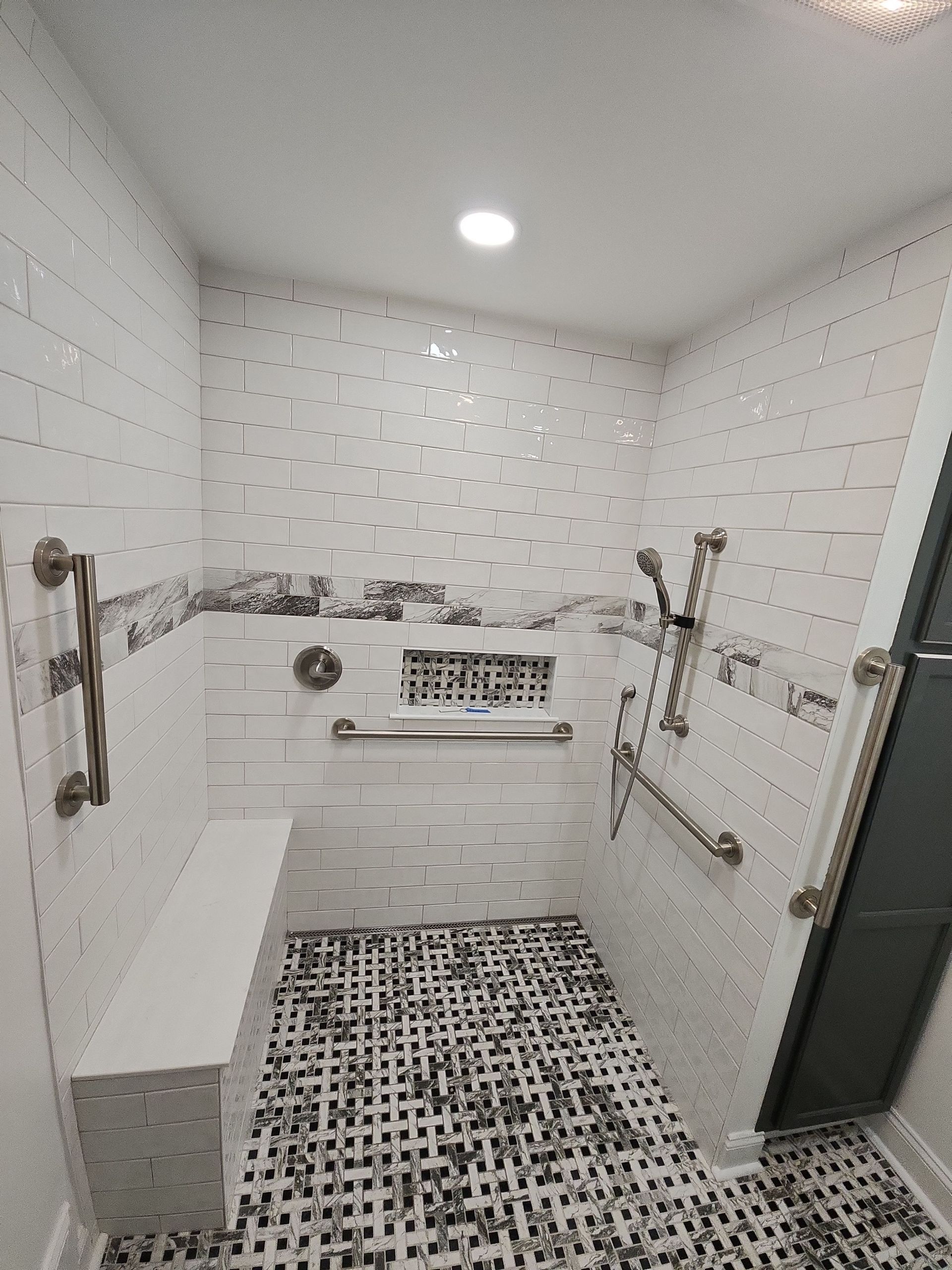
When our client needed a safer, more accessible bathroom, our team at The Problem Solvers of NC delivered a transformation that blends function, comfort, and design excellence. This ADA‑compliant remodel ensures independence without sacrificing beauty. 🚪 Smart Layout for Mobility We reconfigured the space to provide a 60‑inch turning radius for wheelchair access and clear pathways between fixtures. Every element — from the shower entry to the vanity — was designed for effortless movement and safety. 🚿 Roll‑In Shower Design The centerpiece of this remodel is a curb less, roll‑in shower featuring: Slip‑resistant woven mosaic tile flooring A built‑in bench for seated bathing Stainless steel grab bars for stability A handheld showerhead with adjustable height The white subway tile walls and marble accent band add timeless elegance while maintaining ADA functionality. 🧱 Reinforced Safety Behind the tile, we installed solid blocking to support grab bars and accessories. This ensures long‑term durability and compliance with ADA load standards — a detail that distinguishes professional craftsmanship. 🚽 Accessible Fixtures We upgraded to: A comfort‑height toilet with side support rails Lever‑style faucet handles Easy‑reach shelving and storage Each fixture was selected to enhance independence and daily comfort. 💡 Lighting and Finishes Recessed LED lighting brightens the space, while contrasting tile patterns help define surfaces visually — improving safety and adding design depth. 🏁 The Result The finished bathroom is modern, functional, and dignified — a space that empowers its homeowners every day. It’s more than a remodel; it’s a commitment to inclusive living and thoughtful design. 📍 Project Location Lexington, NC
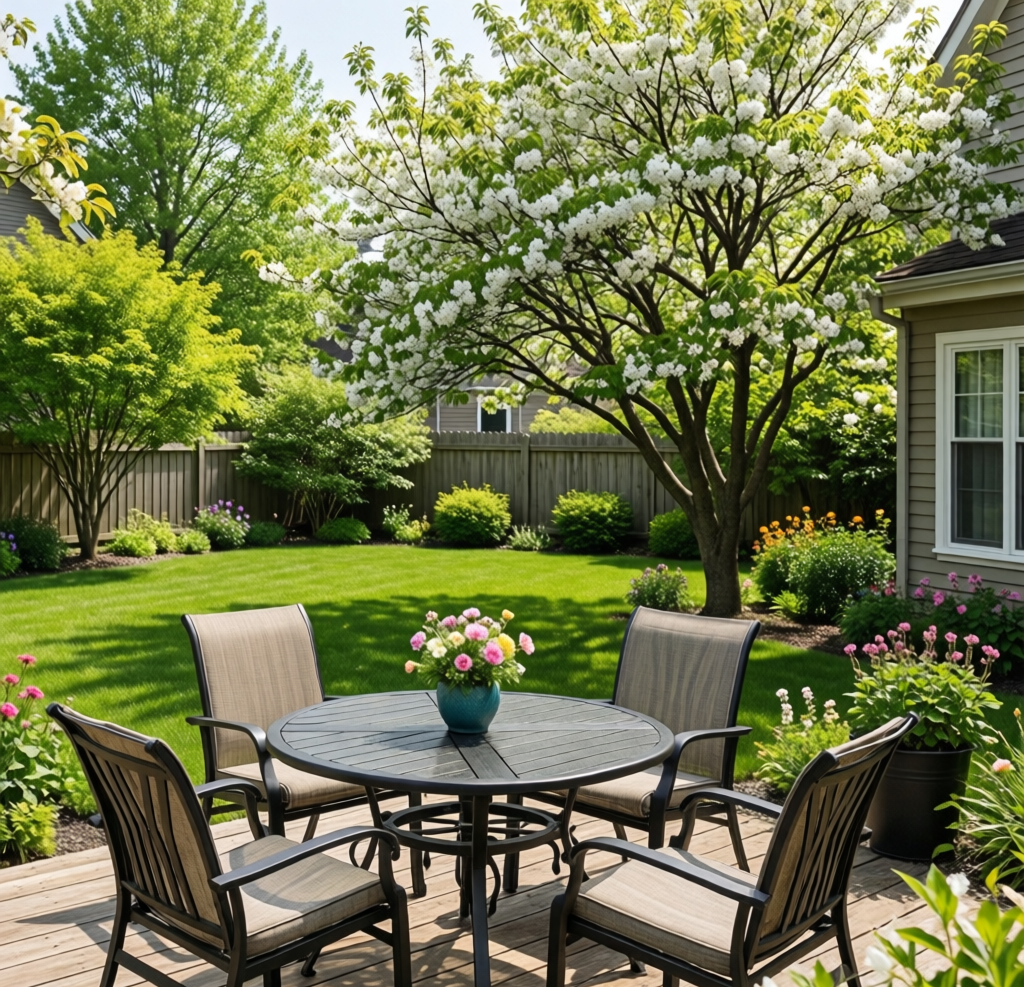
April is one of the best months of the year to tackle home improvement projects. With milder temperatures, longer daylight hours, and the transition into spring, homeowners have ideal conditions to focus on upgrades that improve comfort, efficiency, and curb appeal before summer arrives. One of the smartest April projects is exterior maintenance. Winter weather can leave behind damaged siding, loose shingles, clogged gutters, and worn caulking. Addressing these issues early helps prevent costly water damage during spring rains. Power washing driveways, patios, and siding is another simple improvement that instantly refreshes a home’s appearance. Landscaping upgrades also shine this time of year. Planting shrubs, reseeding lawns, and adding fresh mulch not only boosts curb appeal but also promotes healthy growth before summer heat sets in. Installing outdoor lighting or updating walkways can further enhance both safety and aesthetics. Inside the home, April is perfect for improving energy efficiency. Sealing windows and doors, servicing HVAC systems, and replacing air filters prepare your home for warmer temperatures while lowering energy costs. Many homeowners also use spring as an opportunity to repaint interior spaces, bringing in lighter colors that reflect the season’s fresh start. By focusing on preventative maintenance and seasonal upgrades in April, homeowners can protect their investment, improve daily comfort, and set their homes up for a smooth, stress-free summer. So why not contact us today so you can get your home ready for whatever the season holds?
Many homeowners focus on décor and layout when improving their homes, but some of the biggest impacts on daily comfort are often invisible. Issues like poor air quality, excess humidity, noise, and inconsistent temperatures can quietly affect sleep quality and overall energy levels without obvious warning signs. Indoor air quality plays a major role in how well people rest. Dust buildup, inadequate ventilation, or clogged filters can circulate allergens throughout the home, leading to restless sleep and morning fatigue. Proper ventilation and regular HVAC maintenance can make a noticeable difference in comfort. Humidity levels are another common concern. Air that is too humid can feel heavy and promote mold growth, while overly dry air may cause irritation and discomfort. Balanced humidity helps create a more stable and comfortable sleeping environment year-round. Noise transfer between rooms is also frequently overlooked. Thin walls, hard flooring, or gaps around doors can allow sound to travel easily, disrupting sleep even when noise levels seem minor during the day. Temperature consistency matters as well. Uneven airflow or poor insulation can cause bedrooms to feel too warm or too cold at night. By addressing these hidden home issues, homeowners can create spaces that support better rest, improved comfort, and more energy throughout the day — proving that a healthier home often starts behind the walls. So start the new season off right with a better home and better you by contacting us!
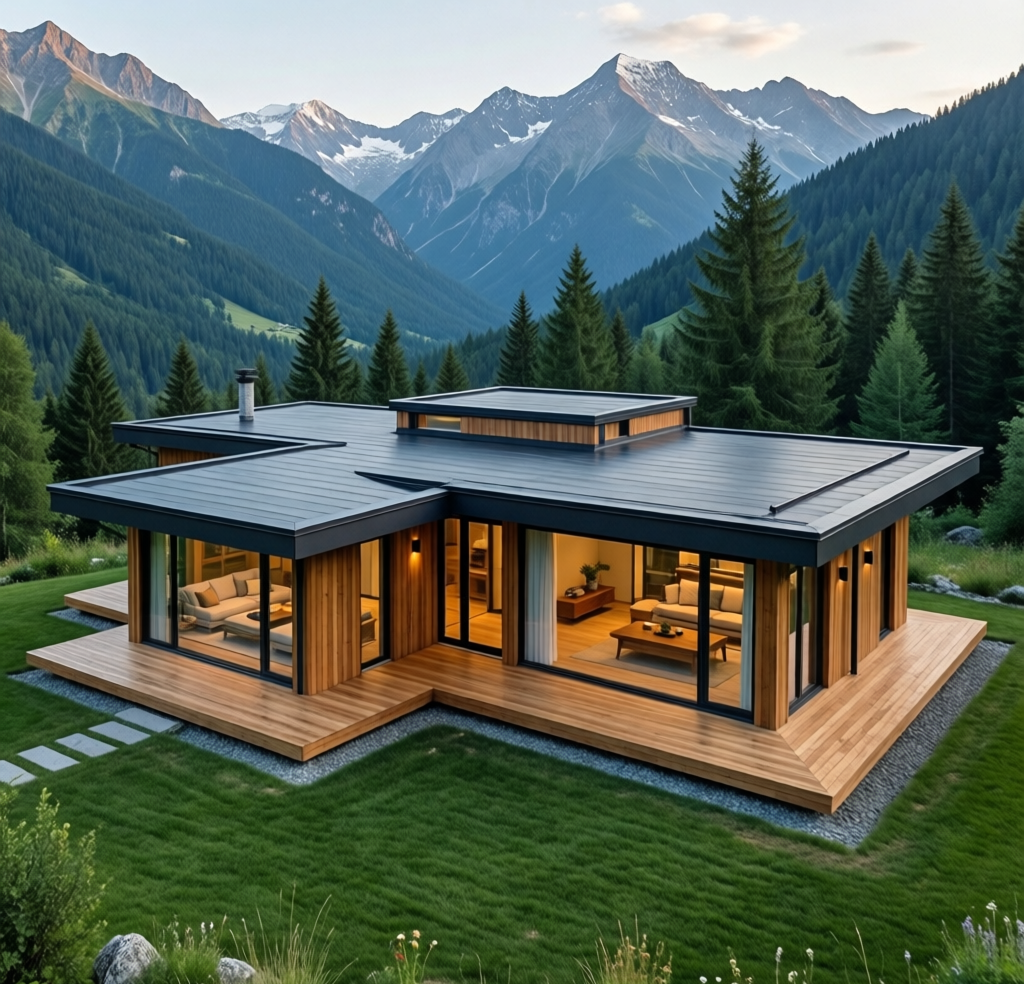
Homes don’t age all at once; they wear down gradually, often in ways homeowners don’t notice until a problem appears. Understanding the typical lifespan of major home components can help prevent unexpected repairs and costly emergencies. Many exterior features have predictable timelines. Asphalt shingle roofs generally last around 20–25 years, while siding, decks, and exterior paint all require periodic maintenance to stay protective and visually appealing. Small issues like cracked caulking or worn sealant may seem minor, but they can allow moisture to enter and cause hidden damage over time. Inside the home, systems quietly age as well. Water heaters often last 8–12 years, and HVAC systems typically perform efficiently for 12–15 years before repairs become more frequent. Electrical and plumbing components may last longer but still benefit from regular inspections to ensure safety and reliability. One of the biggest challenges is that many aging signs are subtle — rising energy bills, uneven temperatures, sticking doors, or musty smells can all indicate underlying wear. Proactive maintenance and periodic evaluations allow homeowners to plan upgrades instead of reacting to failures. By understanding how different parts of a home age, homeowners can budget wisely, avoid surprises, and keep their homes comfortable, efficient, and protected for years to come. So why wait another year to pass before you make your home in better shape? Contact us today!
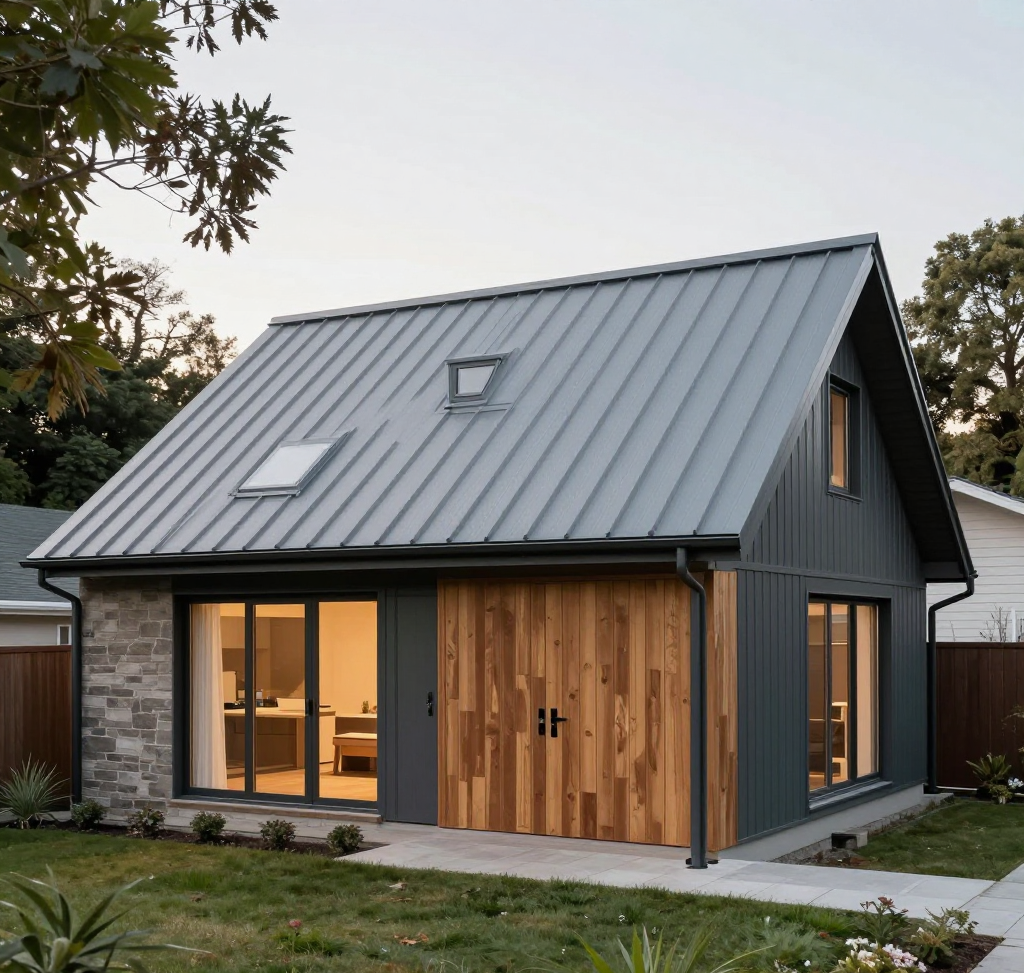
Today’s homeowners are thinking differently about renovations. Instead of choosing upgrades based only on style, many are prioritizing one major goal: reducing ongoing maintenance. The rise of the low-maintenance home reflects a growing desire for convenience, durability, and long-term savings. Modern materials are making this shift possible. Composite decking, for example, has become a popular alternative to traditional wood because it resists rot, fading, and insect damage while eliminating the need for regular staining or sealing. Metal roofing is another upgrade gaining attention for its longevity and resistance to weather damage compared to standard shingles. Inside the home, homeowners are choosing surfaces designed to withstand daily wear. Quartz countertops, luxury vinyl plank flooring, and washable paints offer durability without sacrificing appearance. These materials help reduce repairs and make cleaning easier, which is especially appealing for busy households. Landscaping trends are evolving as well. Native plants, drought-tolerant designs, and simplified yard layouts can reduce watering, trimming, and seasonal upkeep while still maintaining strong curb appeal. Low-maintenance upgrades don’t just save time, they also help homeowners better predict long-term costs. By investing in materials and designs built to last, homeowners can spend less time on upkeep and more time simply enjoying their homes, making this approach one of the most practical renovation trends today. So why not contact us today to start spring off right and get home set for low maintenance in the months and years to come?
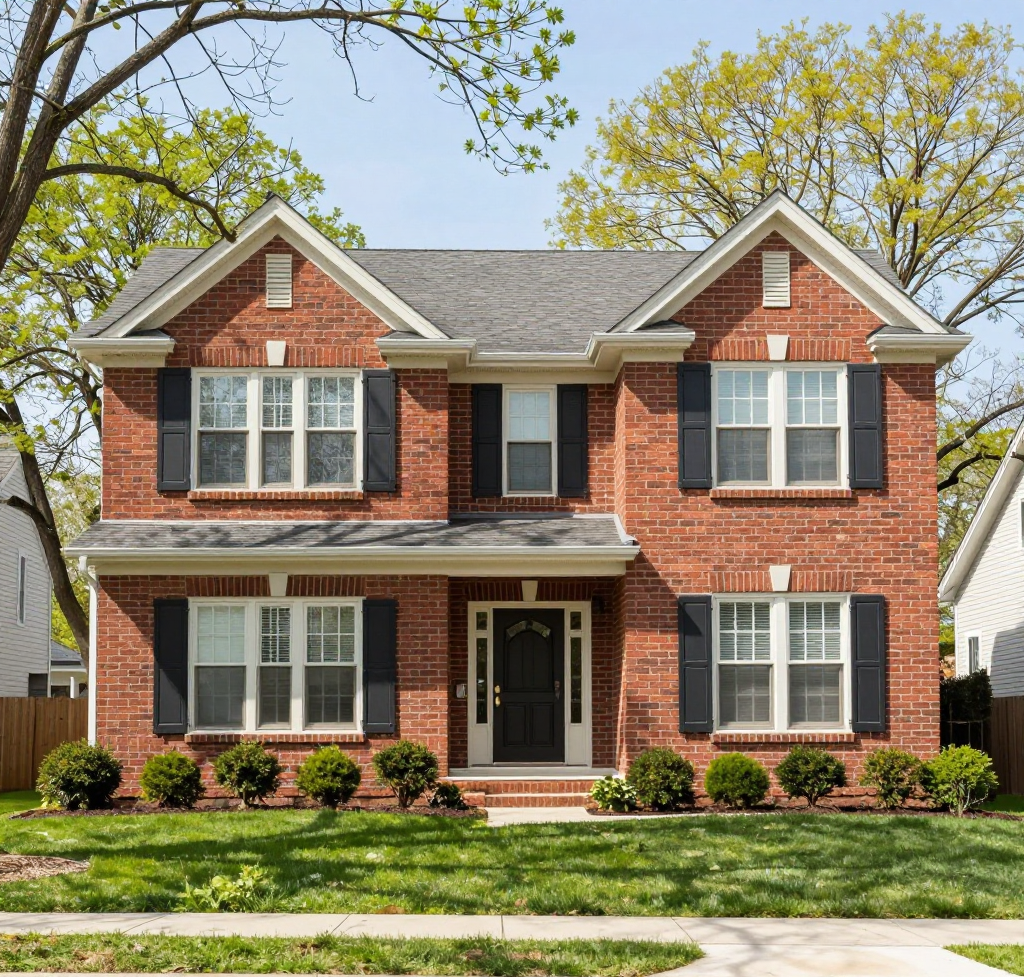
Not all home upgrades deliver the same value. While large remodels often get the most attention, current data shows that the smartest renovation investments are often smaller, strategic improvements that balance cost, function, and curb appeal. Exterior upgrades continue to lead the way in return on investment. Projects like replacing a garage door or upgrading an entry door consistently rank among the highest-value improvements because they dramatically improve first impressions at a relatively low cost. These updates can return well over their initial expense by boosting curb appeal and buyer confidence. Moderate interior updates also perform well when homeowners focus on refreshes instead of full remodels. Minor kitchen improvements — such as cabinet refacing, updated lighting, or new countertops — often recover close to their cost, while luxury renovations tend to return far less proportionally. Outdoor living spaces are another strong investment right now. Wood deck additions and landscaping improvements increase usable living space and appeal to buyers looking for functional outdoor areas without the expense of major additions. The key takeaway for homeowners is simple: value comes from practical upgrades that improve everyday livability and broad appeal. Instead of overspending on highly customized projects, focusing renovation dollars on visible, functional improvements often delivers the greatest financial and lifestyle return. So contact us today to get your home making more money for you!
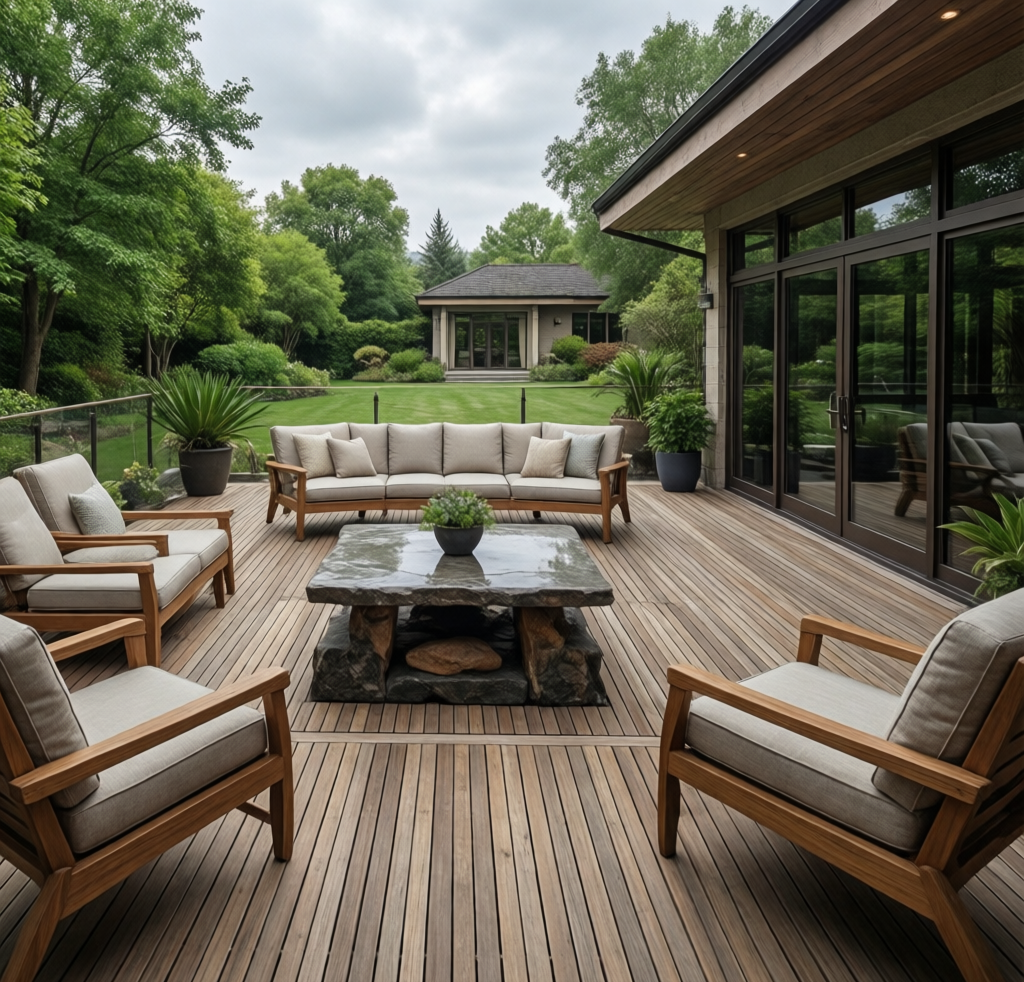
One of the most common questions homeowners face is whether to repair something that’s broken or replace it entirely. While quick fixes can seem like the cheaper option, they aren’t always the most cost-effective choice in the long run. Knowing how to evaluate the situation can help homeowners make smarter decisions and avoid repeated expenses. A good starting point is the age of the item. Most major home components — such as roofs, HVAC systems, water heaters, and decks — have expected lifespans. If a system is nearing the end of its typical service life, investing in repairs may only delay an inevitable replacement. Frequency of repairs is another key factor. If you’re calling for service multiple times a year, those smaller bills can quickly add up. In many cases, replacement provides better reliability and improved energy efficiency, which can lower monthly utility costs. Safety and performance should also guide the decision. Structural damage, electrical issues, or persistent moisture problems are rarely worth patching repeatedly. Addressing the root cause with a replacement or major upgrade often protects the home from larger damage later. Ultimately, the repair-versus-replace decision comes down to value, longevity, and peace of mind. A thoughtful evaluation today can prevent frustration — and unexpected costs — tomorrow. So contact us today to start either today!

For years, home renovations focused mainly on appearance. Homeowners wanted stylish kitchens, updated bathrooms, and trendy finishes. While looks still matter, many homeowners today are prioritizing something different: comfort. A growing trend in home improvement is what many professionals call the “comfort renovation.” Instead of focusing only on visual upgrades, these projects aim to improve how a home feels to live in every day. Lighting is one of the biggest changes homeowners are making. Warmer lighting temperatures and layered lighting plans can make spaces feel calmer and more inviting compared to the harsh overhead lighting common in older homes. Sound control is another important factor. Upgrades such as better insulation, solid core doors, and improved flooring underlayment can significantly reduce noise transfer between rooms. Air quality and humidity control are also becoming top priorities. Whole-home air filtration, improved ventilation, and properly sealed ductwork can make a noticeable difference in comfort and health. Even small layout adjustments, like widening doorways or improving traffic flow between rooms, can make daily living easier and more relaxing. The goal of a comfort renovation isn’t just to make a home look better—it’s to make it function better for the people living in it. As more homeowners focus on wellness and everyday livability, these thoughtful upgrades are becoming one of the most meaningful investments they can make in their homes. So don't wait to enjoy the look and feel of your home. Contact us today!
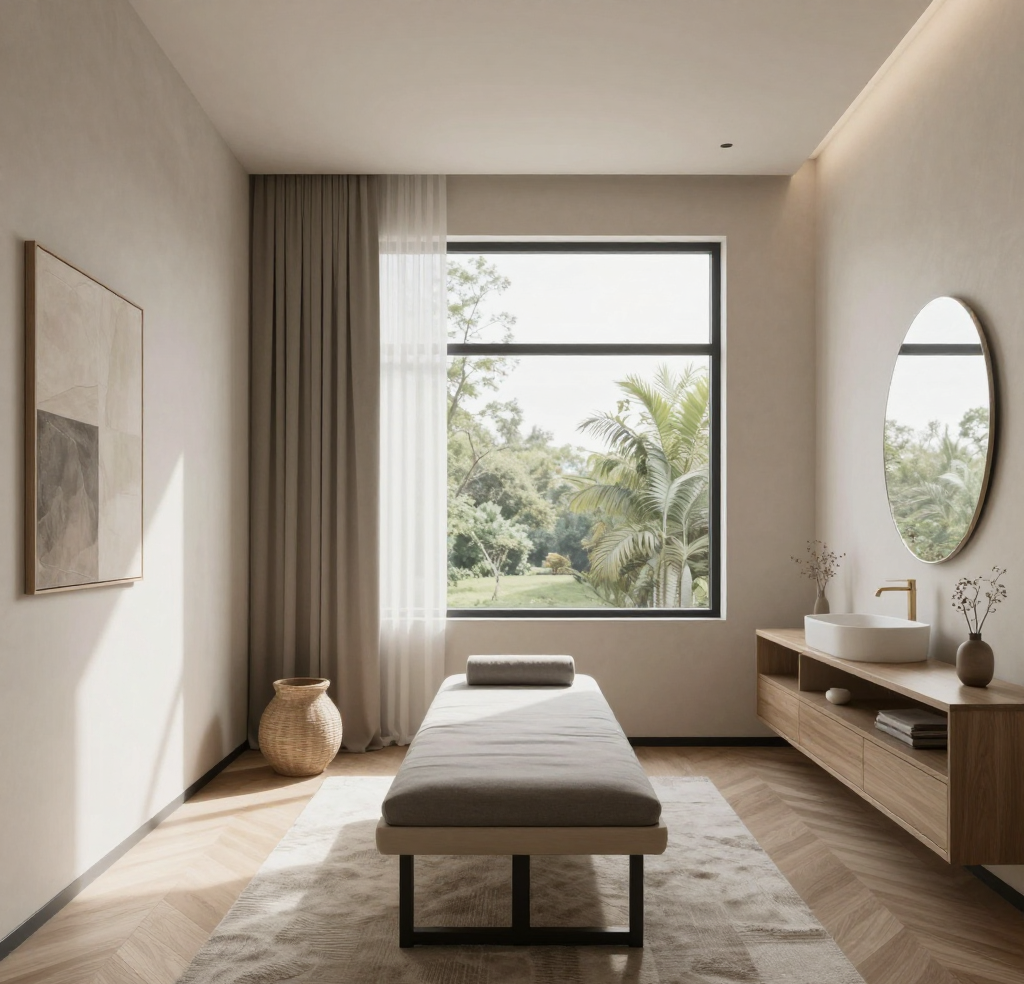
Spring 2026 is all about creating homes that feel lighter, healthier, and more personal. This season’s design trends move away from overly polished spaces and instead focus on comfort, sustainability, and thoughtful upgrades that improve everyday living. One of the biggest trends is bringing nature indoors. Homeowners are embracing natural light, indoor plants, wood accents, and organic textures to create calm, welcoming environments. These elements help spaces feel refreshed after winter while adding warmth and balance. Wellness-focused improvements are also becoming a priority. Better airflow, layered lighting, and soothing color palettes help create relaxing spaces that support rest and daily comfort. Even small changes, like updating light fixtures or improving ventilation, can make a noticeable difference. Style-wise, interiors are becoming more personal and less “matchy.” Mixing vintage pieces with modern furniture adds character, while textured walls and subtle paneling bring depth without overwhelming a room. This spring’s color trends include soft greens, warm neutrals, and muted earth tones that reflect natural light and create an inviting atmosphere. Overall, Spring 2026 design is less about following rules and more about creating spaces that feel comfortable, functional, and uniquely yours. So get started today by contacting us!
